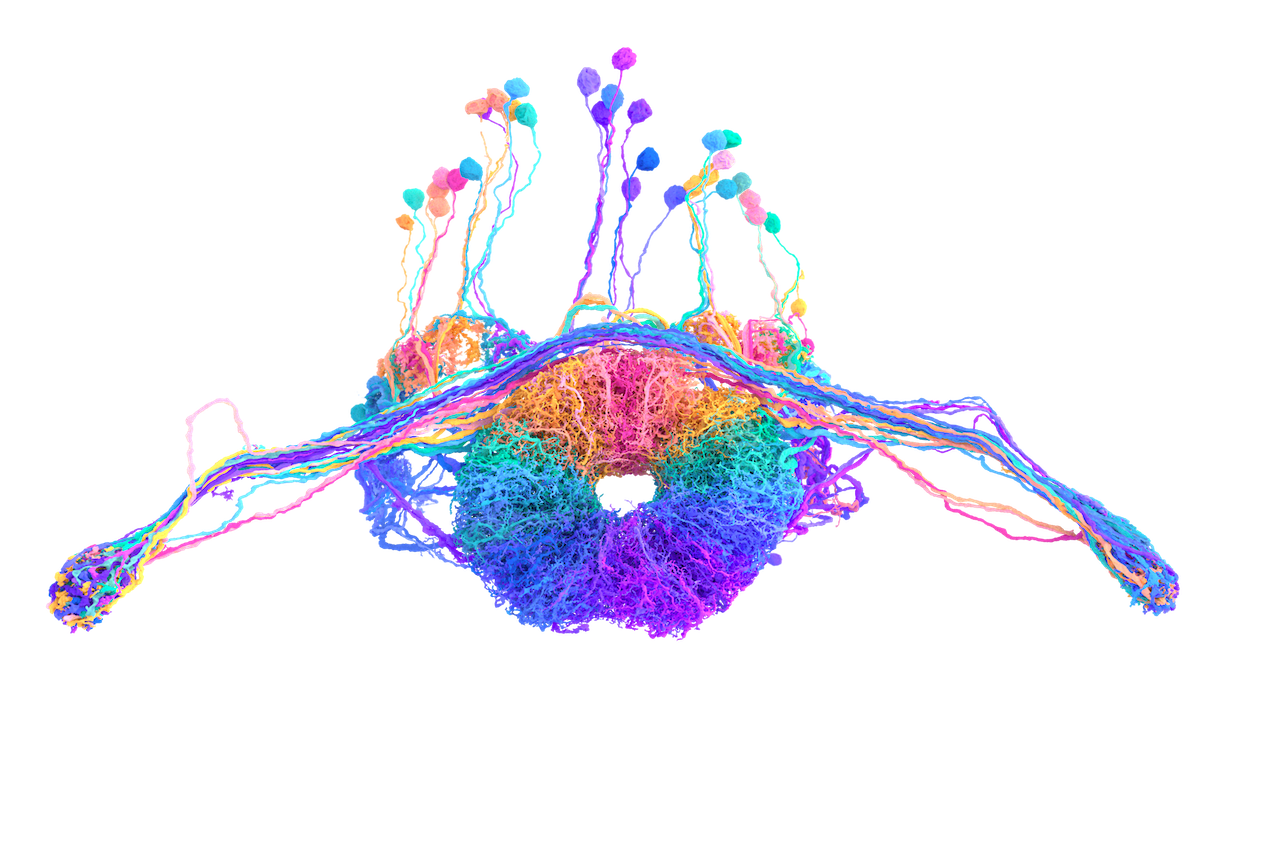
SYNOMORPH is a research and computing platform for understanding intelligence from the nervous system upward.
We begin with neurons, synapses, and connectomes — the physical structures animals use to transform sensation into action. We reconstruct and experiment with these systems, connect them to environments and machines, and study how useful behavior emerges.
But the larger goal is not simply to simulate a brain. It is to understand how intelligence turns experience into reusable behavior — and how machines can do the same.
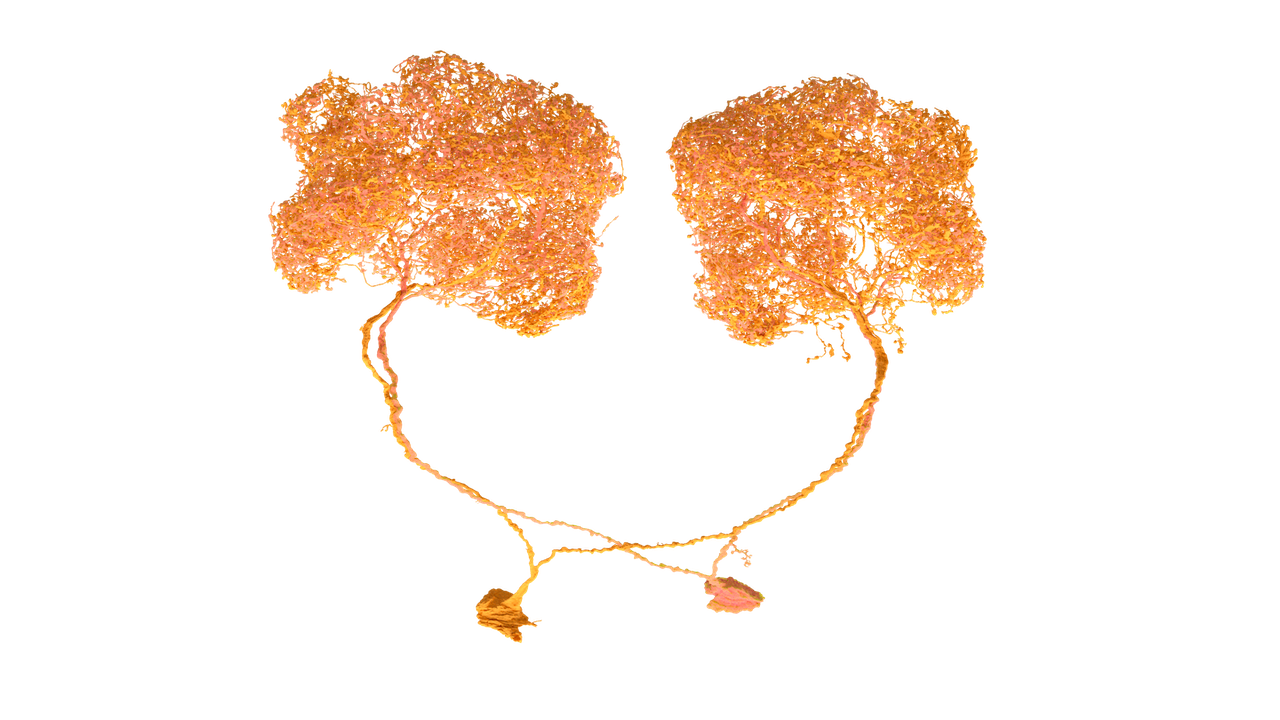
Structure. Map neurons, synapses, regions, and connectivity. Dynamics. Observe how information moves through recurrent neural systems. Behavior. Translate neural state into sensing, navigation, control, and action. Habit. Turn repeated successful behavior into reusable skills and policies. Embodiment. Connect those systems to virtual bodies, robots, and software agents.
The long-term goal is a machine that becomes more experienced, not merely more prompted: reasoning when necessary, preserving what worked, and turning repetition into habit.
If validated, users could build nervous systems, experiments, skill graphs, reusable procedures, robot integrations, and private deployments through APIs, workspaces, and dedicated compute.
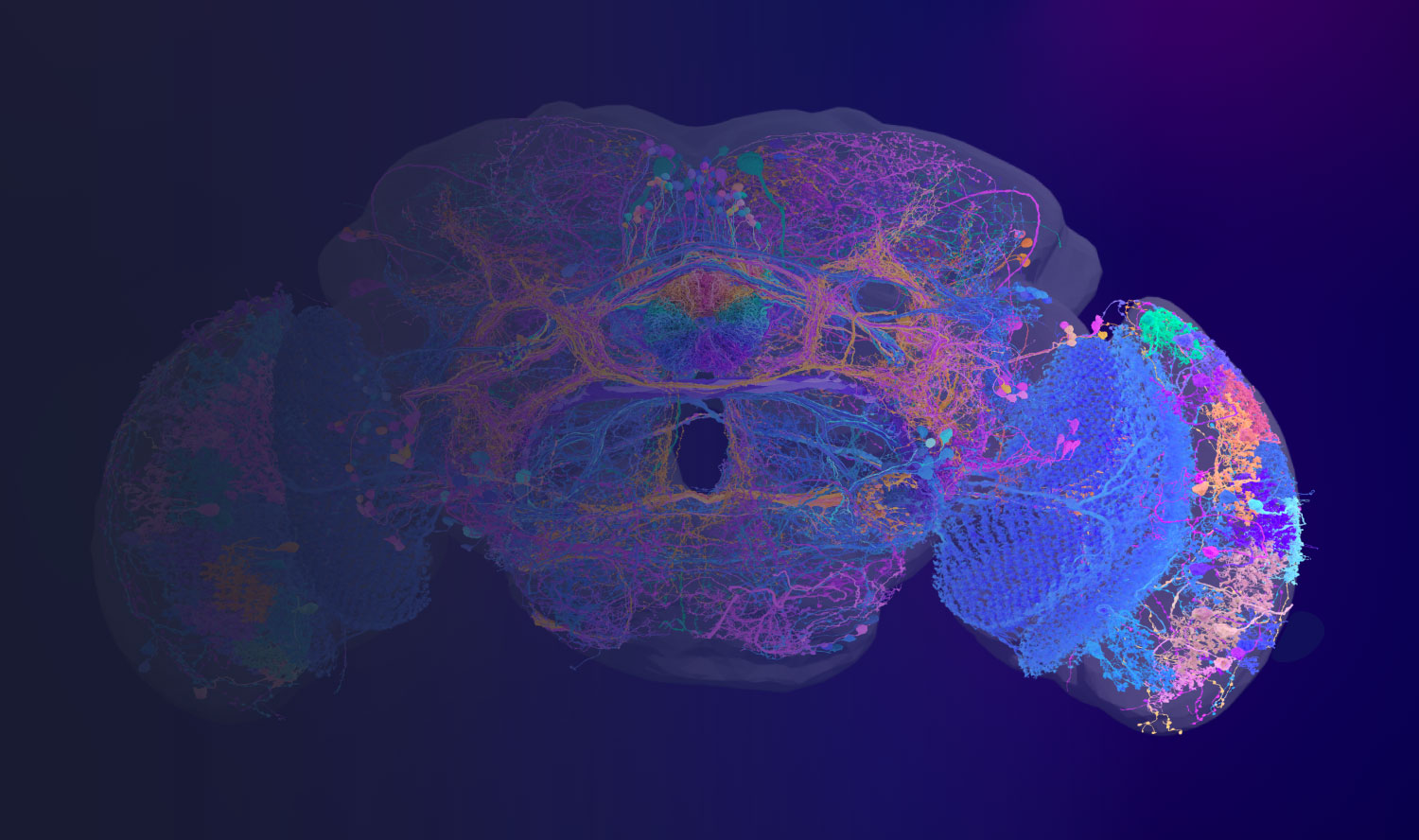
Machines should not have to think twice about everything. Today’s agents can solve difficult tasks, but repeated work often still means loading context, planning again, calling a large model again, and paying for reasoning again.
SYNOMORPH is researching a runtime where a general model handles novelty, while successful repeated behavior gradually becomes procedural memory.
Use expensive intelligence for novelty. Use fast procedural intelligence for repetition.
                 PERCEPTION
                     ↓
                  TASK GATE
                     ↓

      KNOWN / REPEATED       NEW / UNCERTAIN
              ↓                     ↓
      PROCEDURAL BRAIN        GENERAL MODEL
       Skill / Policy           Reasoning
              ↓                     ↓
              └──────── ACTION ──────┘
                         ↓
                       VERIFY
                         ↓
                MEMORY / SKILL UPDATE
Slow thinking when necessary. Fast behavior when possible. A new or uncertain task wakes a general model to reason, solve, and verify. A successful trajectory can then be saved, distilled, and represented as a reusable skill, policy, or habit.
For known work, the target runtime would load a skill, execute it, and verify the outcome without rediscovering the routine from the beginning. The larger reasoning model would return when conditions change, confidence is low, execution fails, or the task is genuinely new.
NEW TASK → REASON → SOLVE → VERIFY → REMEMBER → DISTILL → SKILL → REUSE
Biological nervous systems already combine reflexes, recurrent dynamics, learned behavior, memory, habitual action, sensory processing, and slower decisions. SYNOMORPH studies those mechanisms to ask which parts of machine intelligence require deliberation — and which can become fast reusable behavior.
Applications under study include robotics, where familiar perception-to-action loops could use procedural controllers; enterprise workflows, where a verified order-to-CRM-to-document routine could become a reusable procedure; and personal agents, where repeated browser, research, file, and communication routines could become procedural memory.
We do not assume biological wiring is better. Planned benchmarks compare biological connectomes, artificial networks, learned policies, static and evolving skills, and LLM-only agents using task success, model calls, tokens, latency, compute, repeatability, adaptability, and failure recovery.
Current state: interactive research interface and clearly labeled prototypes. Live skill distillation, production robotics control, persistent procedural memory, and enterprise deployment remain targets until implemented and validated.
One research question connects the biological lab and the machine runtime: which parts of intelligence require slow deliberation, and which parts can become fast reusable behavior? Intended benefits such as fewer model calls, lower token use, reduced latency, and possible edge execution are benchmark targets, not measured product results.
 SYNOMORPH